

Will the Color of PVC Color Boards Become Uneven After Long - Term Use?
In the dynamic world of construction and interior design materials, PVC color boards have emerged as a go - to choice for a wide range of applications. From the lightweight and high - strength Divinycell foam board, which is often used in marine and aerospace industries for its exceptional performance, to the versatile Celtec PVC foam board known for its excellent machinability and surface finish, and the commonly available 4x8 PVC foam board that fits seamlessly into various project dimensions, these materials have become indispensable. However, a persistent question that lingers in the minds of consumers is whether the color of PVC color boards will become uneven after long - term use. The answer is a resounding no, and the following in - depth analysis will shed light on the reasons behind this.
High - Quality Raw Materials: The Color - Preserving Foundation
The journey to color stability in PVC color boards begins with the selection of high - quality raw materials. PVC, or polyvinyl chloride, serves as the backbone of these boards. It possesses inherent chemical stability, which makes it highly resistant to a multitude of environmental factors that could potentially wreak havoc on color. When it comes to adding color to PVC, pigments are the key players. These pigments are not just randomly chosen; they are meticulously selected based on their lightfastness and chemical resistance properties.
Lightfastness is crucial because exposure to sunlight is one of the main threats to color integrity. High - quality pigments can withstand prolonged exposure to UV rays without fading or changing color. Chemical resistance is equally important as PVC color boards may come into contact with various household or industrial chemicals over their lifespan. For example, in a kitchen setting where a PVC board might be used as a backsplash, it could be exposed to cleaning agents, cooking oils, and acidic substances. The pigments in well - formulated PVC color boards can resist these chemicals, ensuring that the color remains vibrant and uniform. Whether it's a PVC board factory producing standard PVC sheets or those crafting specialized PVC celuka boards, the consistent use of these high - quality pigments is a non - negotiable factor in maintaining color stability.
Advanced Manufacturing Processes: Ensuring Even Color Distribution
The manufacturing processes employed in the production of PVC color boards are a well - orchestrated symphony of precision and control, all aimed at achieving uniform color distribution. During the initial stages of production, the PVC resin and pigments are thoroughly mixed in a controlled environment. This mixing process is not a simple stir; it involves specialized equipment that ensures the pigments are evenly dispersed throughout the PVC resin. Any lumps or uneven distribution of pigments at this stage could lead to color patches or streaks in the final product celtec pvc foam board.
Once the mixing is complete, the material moves on to the extrusion or molding processes. These processes are precisely calibrated to ensure that the PVC material is processed uniformly. Temperature and pressure play critical roles here. If the temperature is too high, it could cause the pigments to break down or react differently, leading to color changes. On the other hand, if the pressure is not sufficient, the material may not flow properly, resulting in an uneven surface and potentially uneven color. For example, when producing a 4x8 PVC foam board, the extrusion process must be carefully monitored to ensure that the board has a consistent thickness and density throughout, which in turn contributes to uniform color. Similarly, for Divinycell foam board and Celtec PVC foam board, the manufacturing processes are designed to maintain the integrity of the color from start to finish celtec pvc foam board.
Protective Coatings: A Shield Against Color Degradation
Many PVC color boards are equipped with a protective coating during or after the manufacturing process. This coating is like a suit of armor for the board, providing multiple layers of protection, one of which is safeguarding the color. The protective coating acts as a barrier between the underlying PVC material and the external environment celtec pvc foam board.
UV rays are one of the most significant threats to color stability. Over time, exposure to sunlight can cause the pigments in the PVC to break down, leading to fading or discoloration. The protective coating can effectively block or absorb a large portion of the UV radiation, preventing it from reaching the pigments and causing damage. In addition to UV protection, the coating also shields the board from dust, dirt, and pollutants. These particles can accumulate on the surface of the board and, over time, affect the appearance of the color. The coating makes it easier to clean the board, ensuring that the color remains bright and uniform. For instance, a PVC celuka board used in an outdoor signage application may be exposed to harsh weather conditions, but with a high - quality protective coating, it can maintain its original color for years to come celtec pvc foam board.
Real - World Performance: A Testimony to Color Stability
The true measure of a material's performance is its behavior in real - world applications, and PVC color boards have consistently proven their ability to retain color uniformity over long periods. There are numerous examples of commercial and residential projects where PVC color boards have been in use for several years without any signs of color unevenness celtec pvc foam board.
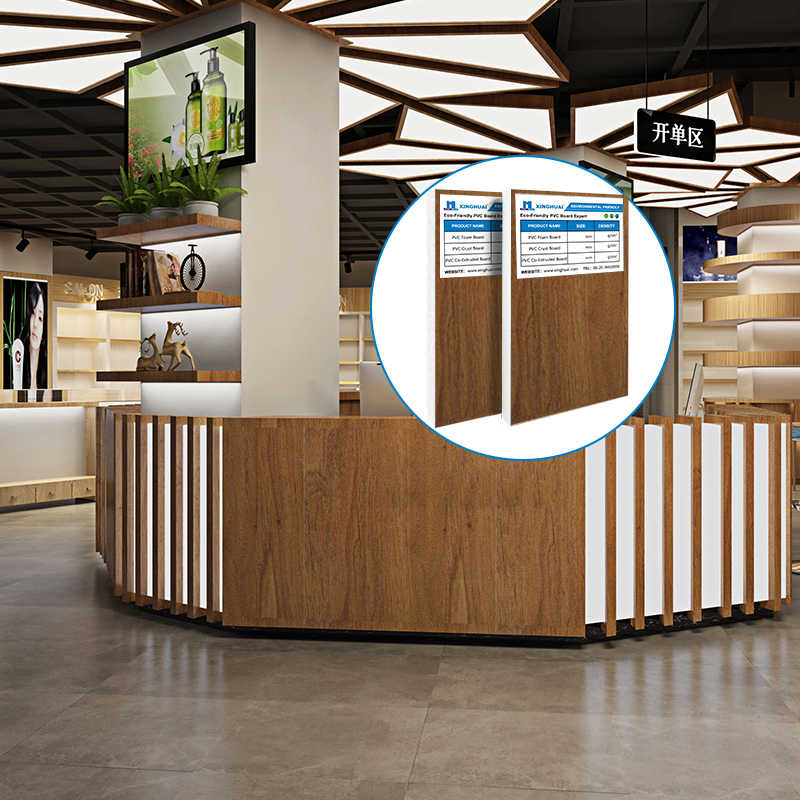
In office interiors, 4x8 PVC foam board is often used for wall paneling. These offices are typically well - lit, with a combination of natural and artificial light. Despite years of daily use and exposure to this lighting, the PVC wall panels still look as vibrant and uniform as when they were first installed. The smooth surface of the panels, combined with their color stability, creates a professional and aesthetically pleasing environment.
In outdoor settings, Divinycell foam board and Celtec PVC foam board are used for a variety of applications, such as architectural elements and signage. These boards are exposed to varying weather conditions, including rain, snow, and extreme temperatures. However, their color remains consistent, demonstrating the effectiveness of the high - quality raw materials, advanced manufacturing processes, and protective coatings in maintaining color stability celtec pvc foam board.
Price Considerations and Color Stability
When it comes to the price of PVC celuka board or other types of PVC color boards, it's important to note that while there may be variations in cost based on factors such as thickness, size, and brand, color stability is not necessarily compromised by a lower price. Reputable manufacturers, even those offering more affordable options, understand the importance of color uniformity and use high - quality materials and processes to ensure that their products meet the required standards. So, consumers can make informed choices based on their budget without having to sacrifice color stability celtec pvc foam board.
In conclusion, the color of PVC color boards will not become uneven after long - term use. This is a result of the synergistic combination of high - quality raw materials, advanced manufacturing processes, protective coatings, and proven real - world performance. Whether you are considering Divinycell foam board for a high - performance application, Celtec PVC foam board for its versatility, or a standard 4x8 PVC foam board for a general project, you can be confident in the long - term color stability of these materials. So, go ahead and incorporate PVC color boards into your next project with the assurance that they will maintain their vibrant and uniform appearance for years to come celtec pvc foam board.
