
Humid Environments and the Color Stability of PVC Color Boards
PVC (Polyvinyl Chloride) color boards, including gray PVC sheets, grey colour PVC panels, and those in other hues like brown and white, are widely used in various fields such as construction, decoration, and advertising due to their excellent properties including chemical stability, corrosion resistance, and ease of processing. However, a common concern among users is whether humid environments will affect the color stability of these PVC color boards.
The Impact Mechanism of Humidity on PVC Color Boards
1. Water Absorption and Chemical Structure Disruption
PVC color boards, especially soft ones, have a certain ability to absorb water in high - humidity environments. When the moisture content inside the material increases, it can accelerate the dissolution and diffusion of some components in the PVC color board, thereby disrupting the stability of its chemical structure. For example, certain additives or ingredients in the PVC may undergo hydrolysis reactions with water. These reactions can cause chemical bonds to break, leading to a gradual decline in the performance of the PVC color board, such as hardening,gray pvc sheet embrittlement, or loss of elasticity, which may also be accompanied by color changes.
2. Microbial Growth and Corrosion
High - humidity environments provide favorable conditions for the growth of microorganisms. When microorganisms grow on the surface or inside the PVC color board, they secrete acidic or other corrosive substances. These corrosive substances can further damage the chemical structure of the PV,gray pvc sheet accelerating its aging process. For instance, the acid secreted by microorganisms can react with the pigments in the PVC color board, causing the color to fade or change.
3. Oxidation Reaction
Although PVC itself has certain antioxidant properties, in high - humidity environments, oxygen and water vapor in the air are more likely to react with the PVC color board. This oxidation reaction can form an oxide layer on the surface of the PVC color board, affecting its appearance and performance. Moreover, the oxidation reaction can also accelerate the aging process of the PVC color board, which may lead to color changes over time.
The Influence on Different Colors of PVC Panels
1. Gray PVC Sheets and Grey Colour PVC Panels
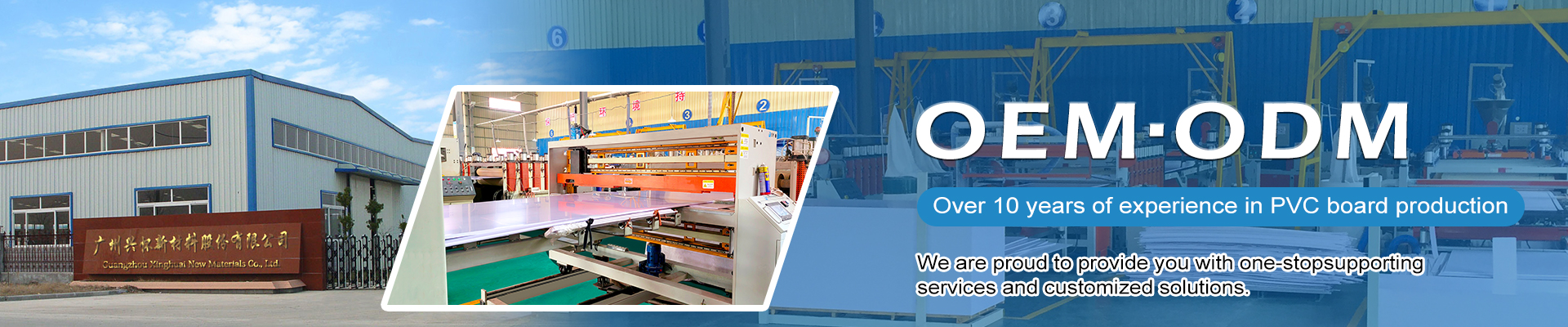
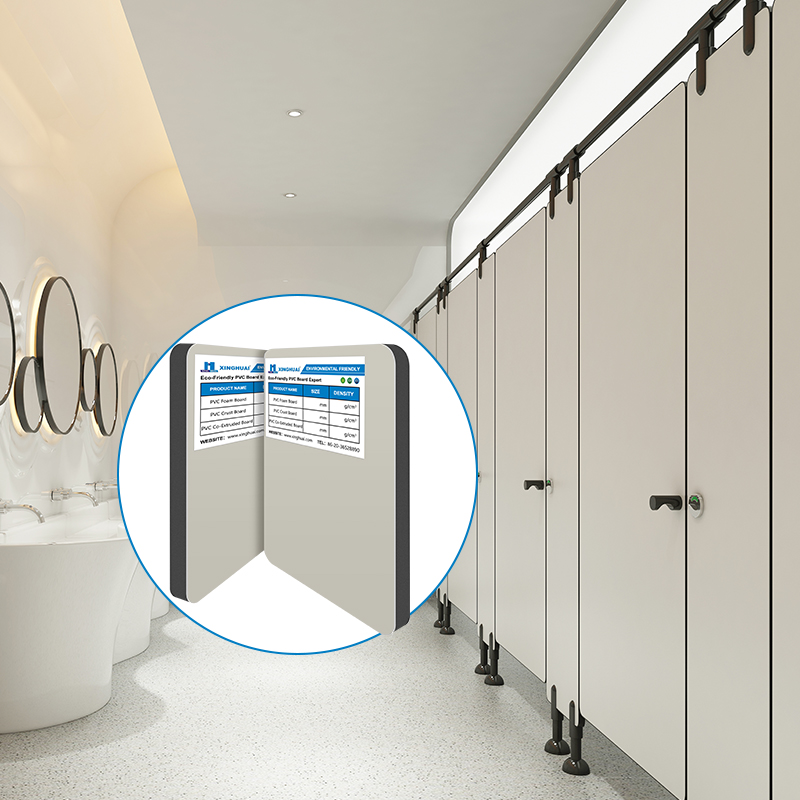
Gray - colored PVC panels, whether in the form of sheets or panels, are often used in outdoor or industrial settings. In humid environments, the pigments used to achieve the gray color may be affected by the above - mentioned factors. For example, if the pigment has poor water resistance, it may dissolve or migrate in the presence of moisture, resulting in a change in the gray tone, gray pvc sheet such as becoming lighter or darker. Additionally, oxidation reactions can cause the gray color to fade, making the panel look dull.
2. PVC Sheet Brown
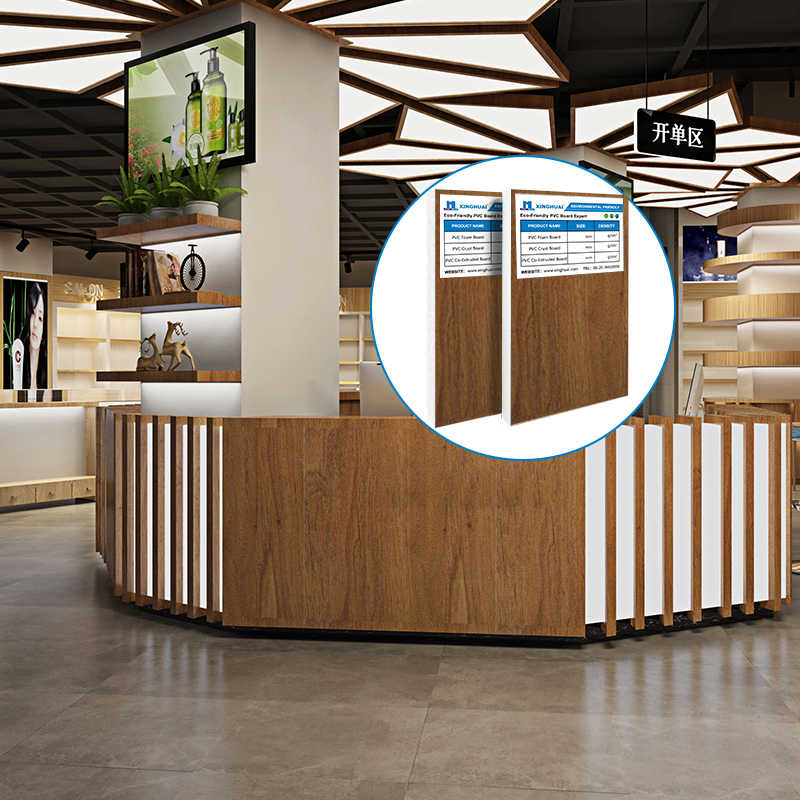
Brown - colored PVC sheets are commonly used in decorative applications where a warm and natural look is desired. The pigments for brown colors may be more sensitive to humidity in some cases. High humidity can cause the brown pigment to react with water or other substances in the environment, leading to color degradation. For example, the brown color may turn yellowish or develop patches of different shades, affecting the overall aesthetic appeal of the PVC sheet gray pvc sheet.
3. PVC Sheet White Colour
White - colored PVC sheets are widely used in various clean and bright - looking environments. In humid conditions, white PVC sheets are prone to yellowing. This is because the oxidation reaction and the reaction with impurities in the environment can cause the white pigment to change its chemical structure, resulting in a yellowish tint. Moreover, if the white PVC sheet has a glossy surface, high humidity may also cause the surface to become foggy, gray pvc sheet reducing its gloss and making it look less clean.
Measures to Mitigate the Impact
1. Control Environmental Humidity
Installing dehumidification equipment or improving ventilation in the storage and use environments can effectively reduce the humidity level. By keeping the relative humidity within a reasonable range, such as between 40% and 60%, the absorption of moisture by the PVC color board can be minimized, thereby reducing the risk of color changes due to humidity - gray pvc sheet related factors.
2. Use Additives
During the production process of PVC color boards, appropriate additives can be added to improve their anti - aging and anti - humidity properties. For example, gray pvc sheetantioxidants can be added to inhibit oxidation reactions, and waterproofing agents can be used to reduce water absorption. Additionally, fungicides can be incorporated to prevent microbial growth and the associated corrosion problems gray pvc sheet.
3. Regular Maintenance
Regular cleaning and maintenance of PVC color boards can also help maintain their color stability. Removing surface dirt and in a timely manner can prevent the accumulation of substances that may react with the PVC or its pigments. Moreover, checking for any signs of damage or aging regularly allows for early repair or replacement, ensuring the long - term color stability of the PVC color boards.
In conclusion, humid environments can indeed have a significant impact on the color stability of PVC color boards, regardless of their color, such as gray PVC sheets, grey colour PVC panels, gray pvc sheet brown PVC sheets, and white - colored PVC sheets. However, by taking appropriate measures to control humidity, use additives, and perform regular maintenance,gray pvc sheet the negative effects of humidity on the color stability of PVC color boards can be effectively mitigated, ensuring their long - lasting aesthetic appeal and performance in various applications.
