
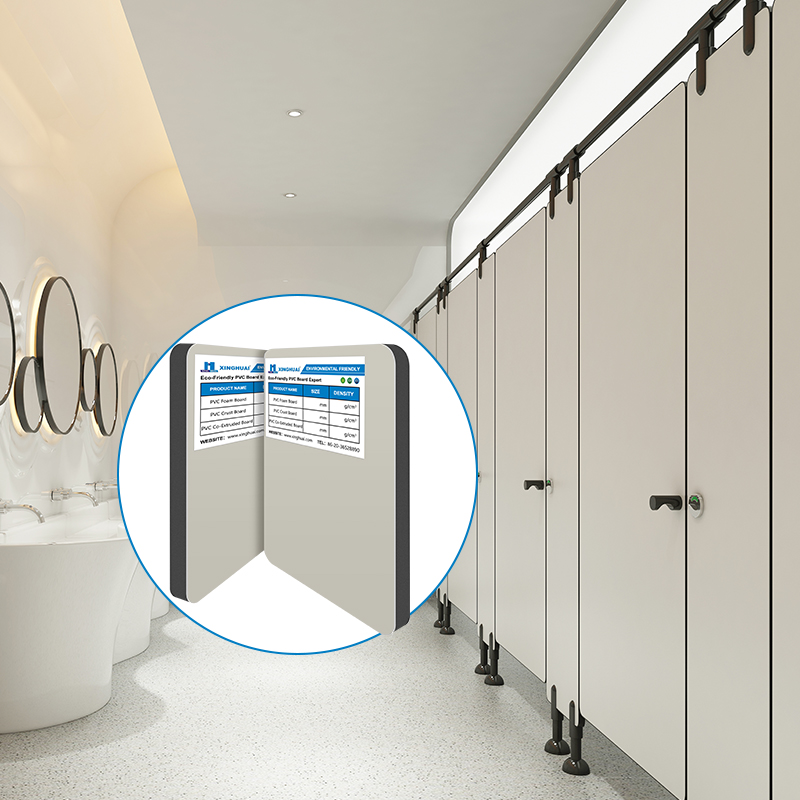
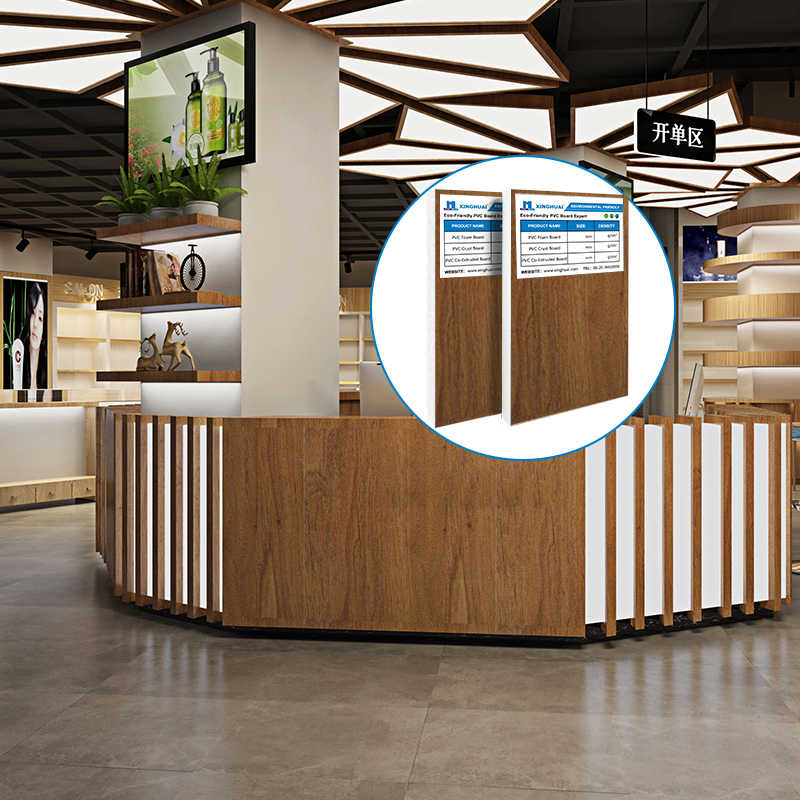
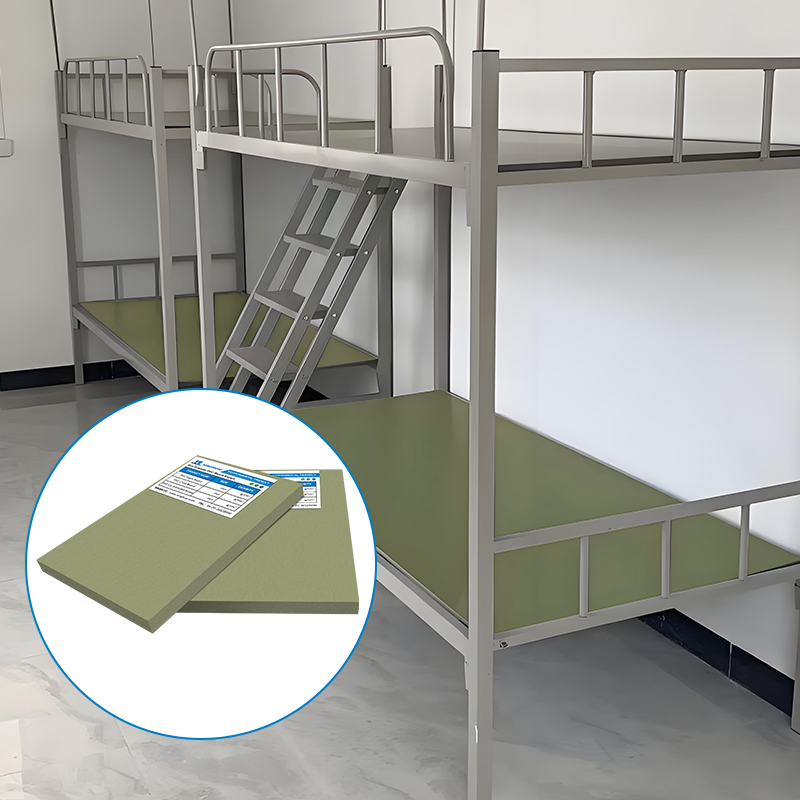
In modern interior design and architectural decoration, PVC board has increasingly become a popular alternative to traditional wood materials, especially when it comes to visual appeal. The claim that "PVC board is better than wood in appearance" is supported by its advanced manufacturing processes, diverse design options, and superior performance in maintaining aesthetic integrity over time. Among various PVC board types, Fire Retardant PVC Board, extruded PVC sheet, 4 x 8 foam core board, rigid expanded PVC, and 1/2 inch expanded PVC sheet exemplify how PVC materials outperform wood in both aesthetics and functionality.
1. Advanced 3D Texturing and Realistic Wood Grain Patterns
One of the most significant advantages of PVC boards over wood is their ability to replicate natural textures with unprecedented precision. Modern manufacturing techniques, such as 3D co-extrusion, enable PVC boards to achieve 5-level wood grain quality, making the patterns almost indistinguishable from real wood. For instance, Fire Retardant PVC Board with ASA high-weather-resistant layers can maintain vibrant colors and sharp textures for 15–30 years, whereas natural wood may fade, crack, or warp within 3–5 years due to environmental exposure.
Similarly, extruded PVC sheet and rigid expanded PVC are engineered to mimic not only wood but also stone, marble, and even metallic finishes. This versatility allows designers to create spaces with consistent aesthetics without the limitations of natural material variations. In contrast, wood’s appearance is inherently inconsistent due to grain patterns, knots, and color variations, which may not align with modern minimalist or uniform design trends.
2. Customizable Colors and Patterns Beyond Natural Limitations
While wood offers a warm, organic feel, its color palette is restricted to natural hues. PVC boards, however, break this barrier by offering a wide range of colors and finishes. For example, 4 x 8 foam core board—a lightweight yet sturdy PVC variant—can be produced in solid colors, gradients, or even custom prints, making it ideal for creative signage, displays, and decorative panels.
1/2 inch expanded PVC sheet further expands design possibilities with its ability to incorporate embedded patterns or translucent effects. This level of customization is impossible with wood, which requires staining or painting—processes that often mask its natural beauty and may introduce harmful chemicals like formaldehyde. PVC boards, on the other hand, are free from volatile organic compounds (VOCs), ensuring both aesthetic appeal and environmental safety.
3. Superior Durability Preserves Aesthetic Quality
Wood’s susceptibility to environmental damage—such as moisture-induced swelling, insect infestation, or UV-induced fading—poses a constant threat to its appearance. PVC boards, however, are engineered to resist these issues. Fire Retardant PVC Board, for instance, not only meets B1-level fire resistance standards but also remains stable in humid or high-traffic environments. Its low shrinkage rate (0.2–0.8%) ensures that patterns stay crisp and edges remain sharp over time. Fire Retardant PVC Board
Extruded PVC sheet and rigid expanded PVC are equally resilient, with anti-scratch surfaces that maintain their glossy or matte finishes even after years of use. In contrast, wooden surfaces often develop scratches, dents, or uneven wear, requiring frequent refinishing. PVC’s non-porous nature also prevents stains and mildew, ensuring long-term visual cleanliness—a critical factor in public spaces like hospitals, schools, or commercial buildings Fire Retardant PVC Board.
4. Lightweight and Flexible Design Applications
PVC boards’ lightweight nature opens up design possibilities that wood cannot match. 4 x 8 foam core board, for example, combines rigidity with a featherlight structure, making it easy to install on walls or ceilings without heavy support frames. This is particularly advantageous in large-scale projects where weight and installation efficiency are priorities Fire Retardant PVC Board.
1/2 inch expanded PVC sheet offers similar benefits, with its flexibility allowing curved or contoured designs that would be impossible to achieve with solid wood. This adaptability makes PVC boards ideal for modern architectural features like curved facades, wave-patterned walls, or intricate ceiling decorations Fire Retardant PVC Board.
