
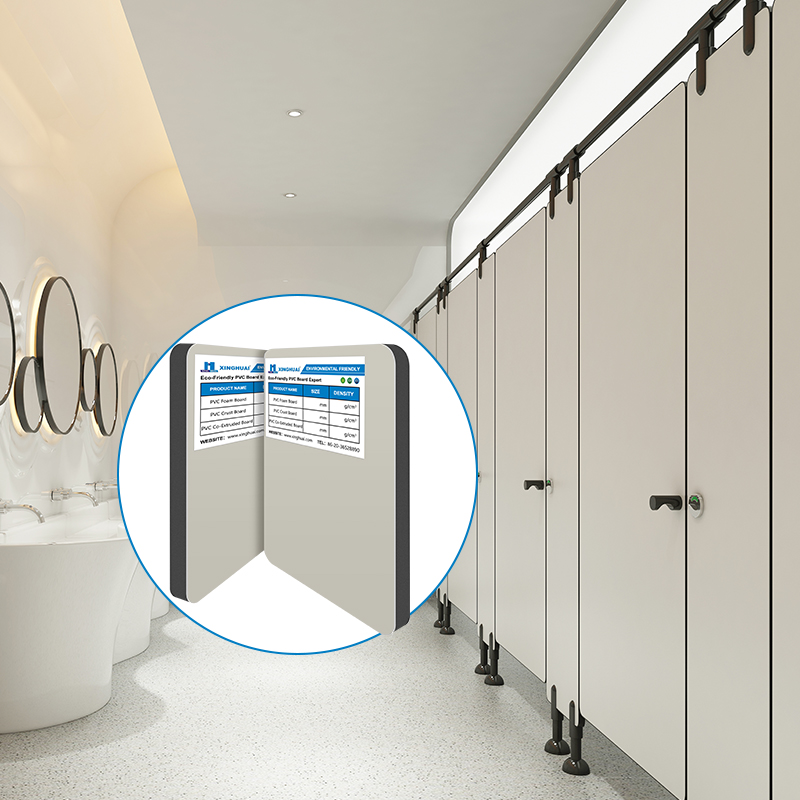
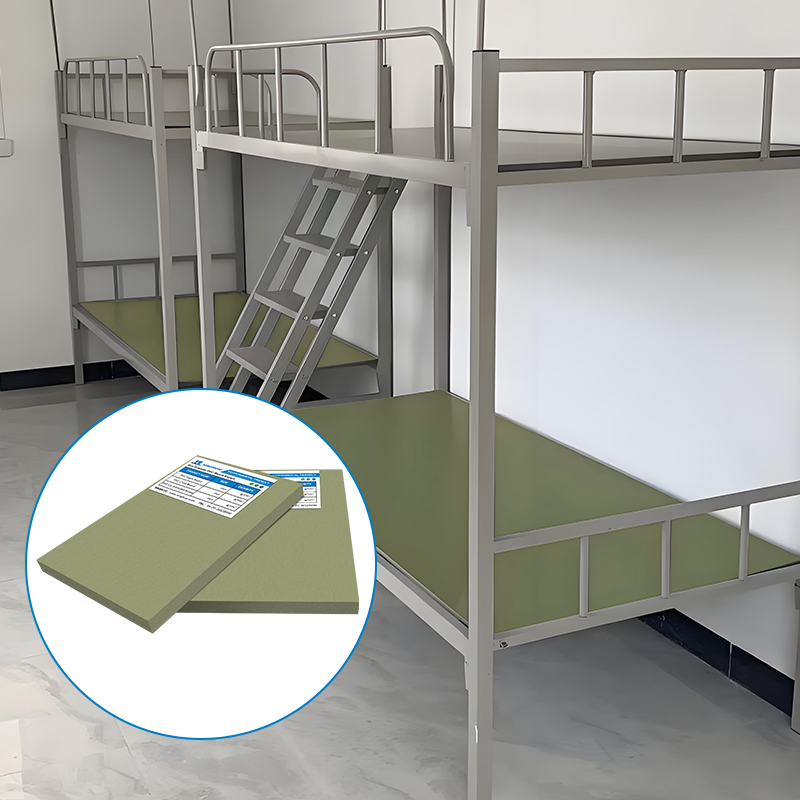
PVC boards are made primarily from polyvinyl chloride resin, combined with various additives such as stabilizers, lubricants, and plasticizers to enhance their properties. They come in different forms, including solid PVC boards, PVC foam sheets, and PVC foam boards. PVC foam, in particular, is known for its lightweight, high strength, and excellent thermal insulation properties, making it ideal for applications in construction, advertising, and packaging.
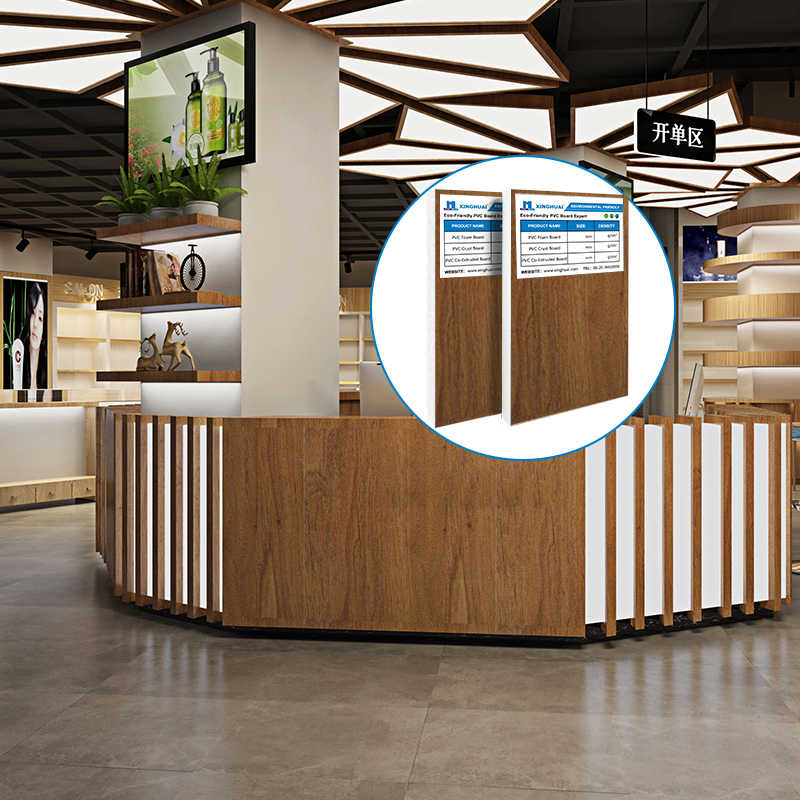
The standard size for PVC foam sheets and boards is often 4x8 feet, which is convenient for handling and installation in various projects. Additionally, PVC panels are available in a wide range of colors, including wooden hues, allowing for creative and aesthetically pleasing designs in interior decoration and furniture making.
Recycling Process of PVC Boards
The recycling process of PVC boards involves several key steps to transform waste materials into reusable products:
Collection and Sorting: The first step in the recycling process is the collection of waste PVC boards from various sources, such as construction sites, demolition projects, and manufacturing facilities. These boards are then sorted based on their type, color, and condition to ensure efficient processing.
Cleaning and Pre-treatment: Once sorted, the PVC boards undergo a thorough cleaning process to remove dirt, debris, and any contaminants. This may involve washing with water and detergents, followed by drying to prepare the material for further processing. In some cases, pre-treatment steps such as shredding or grinding may be necessary to reduce the size of the boards for easier handling.
Melting and Extrusion: The cleaned and pre-treated PVC boards are then melted down in an extruder, a machine that heats the material to a molten state and forces it through a die to form continuous profiles or sheets. During this process, additional additives may be introduced to modify the properties of the recycled PVC, such as improving its strength, flexibility, or color.
Forming and Shaping: The molten PVC can be formed into various shapes and sizes, depending on the intended application. For example, it can be extruded into PVC foam sheets or boards of specific dimensions, such as the popular 4x8 feet size. Alternatively, it can be molded into panels with different colors and textures, including wooden-colored PVC sheets that mimic the appearance of natural wood pvc sheet wooden colour.
Quality Control and Finishing: The recycled PVC products undergo rigorous quality control checks to ensure they meet the required standards for strength, durability, and appearance. Any defects or imperfections are corrected, and the products are finished with coatings or treatments to enhance their performance and aesthetic appeal.
Applications of Recycled PVC Boards
Recycled PVC boards have a wide range of applications across various industries:
Construction: Recycled PVC foam boards are used as insulation materials in walls, roofs, and floors due to their excellent thermal insulation properties. They are also used as pvc sheet wooden colour cladding and siding materials for their durability and weather resistance.
Advertising and Signage: Colored PVC panels are popular choices for creating eye-catching signs and displays due to their vibrant colors and ease of fabrication.
Furniture Making: Wooden-colored PVC sheets are used to make furniture that combines the aesthetic appeal of natural wood with the durability and low maintenance of PVC pvc sheet wooden colour.
Packaging: Rec pvc sheet wooden colourycled PVC boards are used to make lightweight and sturdy packaging materials for protecting goods during transportation and storage.
Environmental Benefits
The recycling of PVC boards offers significant environmental benefits by reducing the demand for virgin materials, conserving natural resources, and minimizing waste sent to landfills. Additionally, the production of recycled PVC products typically requires less energy compared to manufacturing new PVC from raw materials, further reducing the carbon footprint of the industry pvc sheet wooden colour.
Conclusion
The recycling process of PVC boards, including PVC foam, PVC foam sheet 4x8, PVC foam board 4x8, and colored PVC panels, is a vital component of sustainable waste management and resource conservation. By transforming waste materials into valuable products, pvc sheet wooden colour the recycling industry not only reduces environmental impact but also creates economic opportunities and promotes a circular economy pvc sheet wooden colour. As technology continues to advance, pvc sheet wooden colour the recycling process of PVC boards is expected to become even more efficient and cost-effective, further driving the adoption of recycled materials in various industries.
