
Is the Impact Resistance of PVC Color Boards Affected by Color?
The impact resistance of PVC color boards is generally not significantly affected by color itself, but the choice of pigments and additives used to achieve specific colors can indirectly influence their mechanical properties. Here’s a concise analysis pvc ceiling board colour :
1. Core Mechanical Properties of PVC
PVC (polyvinyl chloride)板材 inherently possesses good impact resistance due to its molecular structure and plasticizer content. Soft PVC sheets, for example, exhibit high elongation at break (200%–450%) and moderate impact strength (1.5–15 MPa), making them suitable for applications like gym floors, vehicle interiors, and chemical-resistant linings. Hard PVC variants, with elastic moduli of 1500–3000 MPa, are used in structural applications where rigidity is prioritized pvc ceiling board colour .
2. Color’s Indirect Impact on Performance
While color pigments do not directly weaken PVC’s molecular chains, certain factors related to coloring can influence impact resistance:
Pigment Type & Stability:
Some inorganic pigments (e.g., titanium dioxide) may degrade under UV exposure, leading to surface embrittlement over time. However, this primarily affects long-term durability rather than initial impact resistance pvc ceiling board colour .
Organic pigments with high thermal stability pvc ceiling board colour (e.g., Pigment Yellow 93) are less likely to cause degradation during processing, preserving the material’s toughness.
Additive Interactions:
Antioxidants and UV stabilizers added to colored PVC sheets can prevent oxidation-induced embrittlement, indirectly maintaining impact resistance. For instance, hindered phenol antioxidants paired with phosphites pvc ceiling board colour are commonly used to enhance heat and light stability.
Conversely, incompatible pigments or excessive filler loading (e.g., calcium carbonate for cost reduction) may reduce flexibility, pvc ceiling board colour slightly lowering impact performance.
3. Practical Examples
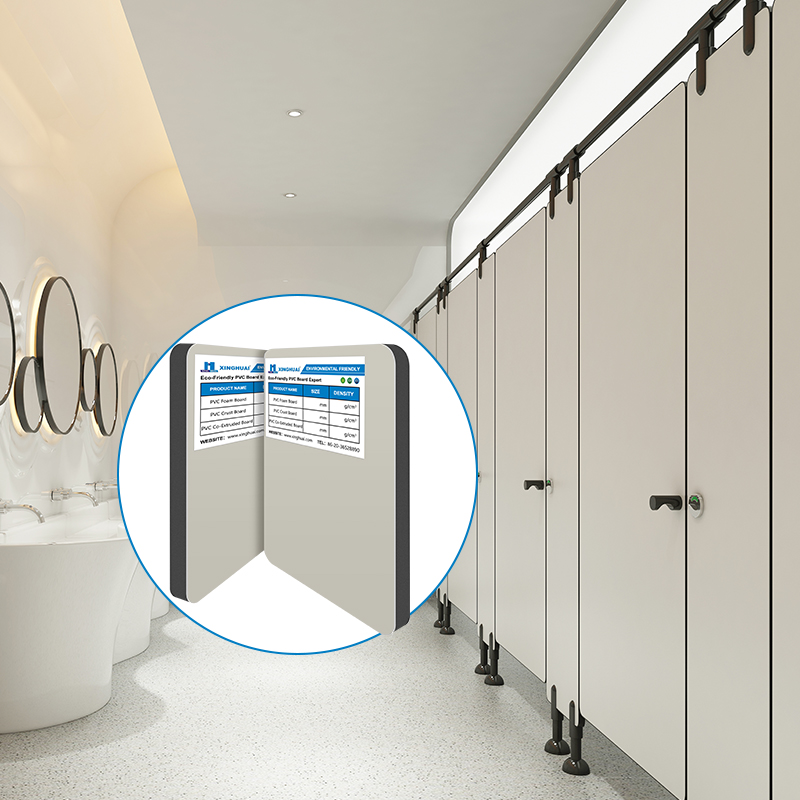
Grey PVC Sheets: Often used in industrial settings, grey-colored PVC sheets maintain comparable impact resistance to uncolored variants if high-quality pigments and stabilizers are used.
Black Foam PVC Sheets: Carbon black, a common pigment for black PVC, can improve UV resistance and thermal stability, potentially enhancing long-term durability without compromising initial impact strength.
Colored PVC Ceiling Boards: Light-colored boards (e.g., white) may use titanium dioxide for opacity, which, if not properly stabilized, could lead to slight yellowing and surface brittleness over time. However, modern formulations mitigate this issue.
Conclusion
Color alone does not inherently reduce the impact resistance of PVC boards. The key factors are the quality of pigments, stabilizers, and processing techniques. When manufactured with optimized formulations, colored PVC sheets—whether grey, black, or foam-based—retain their mechanical robustness, making them suitable for diverse applications from construction to automotive interiors. For critical uses, selecting products with certified impact ratings (e.g., UL-94 V-0 for flame resistance) ensures reliability regardless of color.
