
Do Different PVC Colored Boards Have Different Machining Properties (e.g., for Bending)?
PVC (Polyvinyl Chloride) colored boards, widely used in interior design and industrial applications such as PVC panel partitions, room dividers, and wall cladding, exhibit varying machining properties depending on their color, composition, and manufacturing process. These differences significantly influence their suitability for bending, cutting, drilling, and other mechanical operations. This article explores how color and formulation affect the machinability of PVC boards, with a focus on PVC panel partitions and related products like PVC hanging room dividers, PVC room divider panels, and PVC partition divider sheets.
1. Colorants and Their Impact on PVC Properties
The color of PVC boards is determined by pigments and additives incorporated during manufacturing. These colorants can alter the material’s physical and chemical properties, including:
a. Thermal Stability
Pigment-Induced Degradation: Certain pigments, such as iron-based or zinc-based compounds (e.g., oxidized iron for red/yellow hues), can act as catalysts for PVC degradation under heat. This reduces thermal stability, making the material more prone to discoloration or cracking during bending or high-temperature processing.
UV Resistance: Some organic pigments, while offering vibrant colors, may have lower UV resistance compared to inorganic pigments (e.g., titanium dioxide for white). This can lead to fading or yellowing over time, especially in outdoor or sun-exposed PVC panel partitions.
b. Mechanical Strength
Pigment Dispersion: Poor dispersion of pigments can create weak points in the PVC matrix, reducing tensile strength and flexibility. This is critical for PVC room divider panels that require bending or folding without cracking.
Fillers and Reinforcements: Some colored PVC boards incorporate fillers (e.g., calcium carbonate) to reduce costs. While these improve stiffness, they may reduce elongation at break, making the material brittle and less suitable for bending.
2. Machining Properties of Colored PVC Boards
a. Bending and Forming
White and Light-Colored Boards: These often contain titanium dioxide (TiO₂) as a pigment, which enhances UV resistance and thermal stability. White gloss PVC panels, commonly used for interior wall cladding and PVC panel partitions, exhibit good bending properties when heated to their glass transition temperature (Tg, typically 60–80°C). The uniform dispersion of TiO₂ ensures consistent flexibility across the sheet.
Dark-Colored Boards: Black or dark-hued PVC boards may use carbon black or organic pigments, which can absorb more heat during processing. This localized heating can cause uneven softening, leading to warping or cracking during bending. Specialized equipment with precise temperature control is often required.
Transparent or Translucent Boards: These are typically unpigmented or use clear additives, making them ideal for applications like LED diffuser panels or PVC hanging room dividers requiring light transmission. Their lack of pigments reduces the risk of degradation during bending, but they may lack the rigidity of colored variants.
b. Cutting and Drilling
Hardness Variations: Colored PVC boards may have different hardness levels due to pigment type and concentration. For example, boards with high filler content (e.g., gray or beige panels) may be harder but more brittle, requiring sharper tools to prevent chipping during cutting.
Melting Behavior: Dark-colored PVC absorbs more laser or thermal energy during cutting, potentially causing melted edges or discoloration. Light-colored or white PVC partition divider sheets are less prone to this issue.
3. Applications and Practical Considerations
a. PVC Panel Partitions in Interior Design
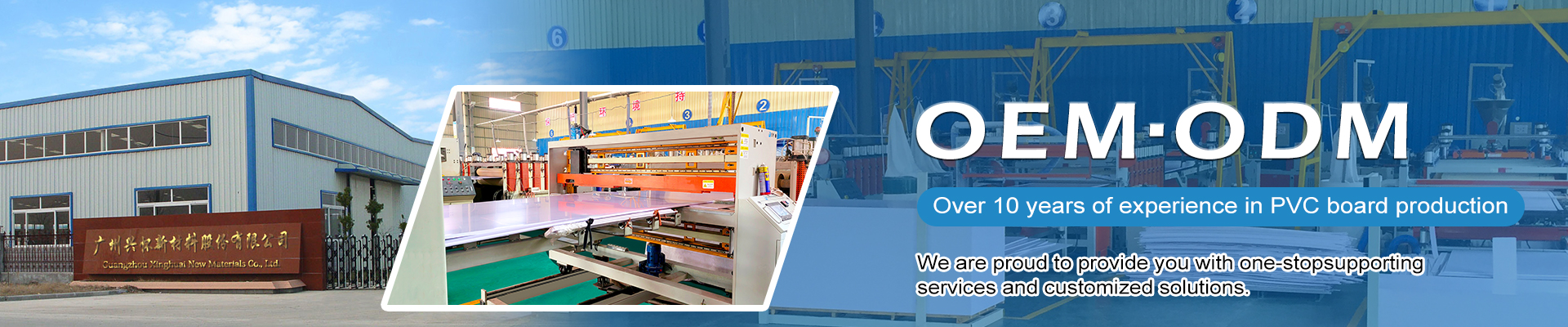
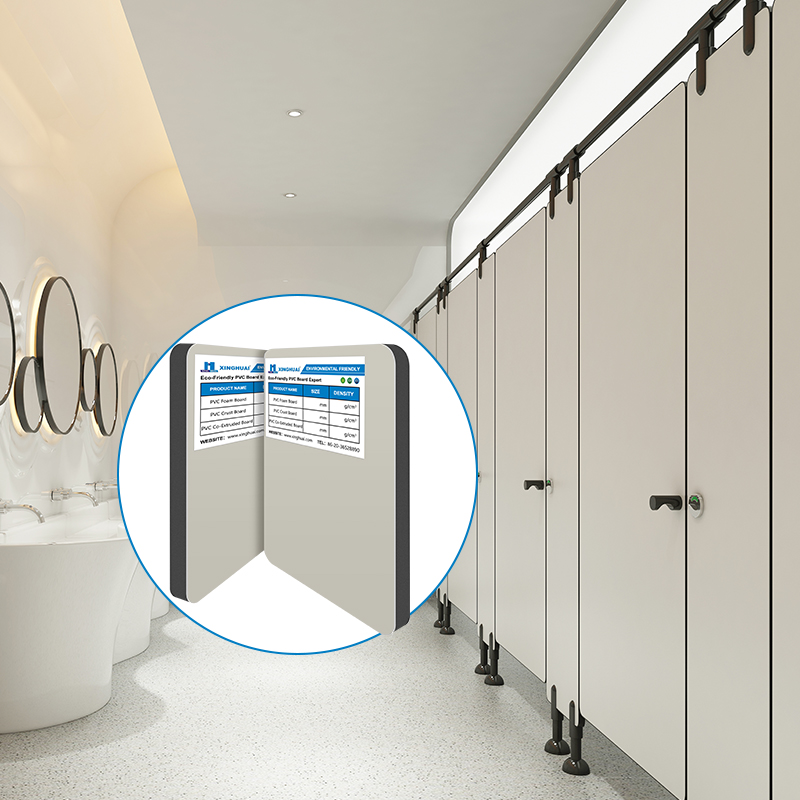
White Gloss PVC Panels: These are popular for modern office partitions and PVC wall panel partition sheets due to their clean appearance and ease of bending into curved designs. Their thermal stability allows for heat-forming without significant degradation.
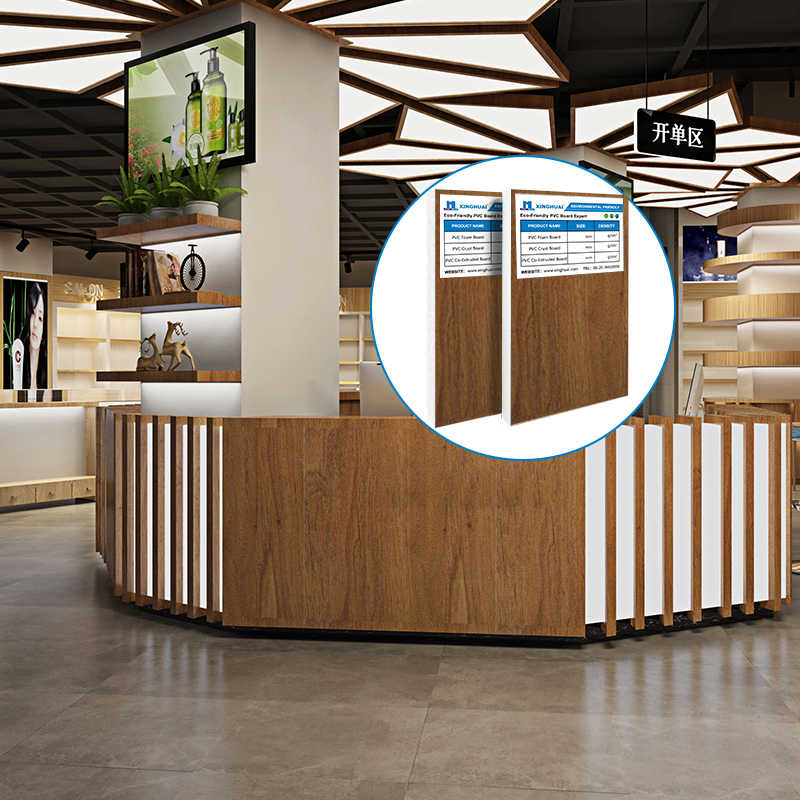
Custom-Colored Panels: For branded or decorative partitions, colored PVC boards must be carefully selected based on pigment stability. For instance, a PVC room divider panel in a corporate logo’s specific shade may require pigments with high lightfastness to prevent fading.
b. Industrial and Outdoor Use
UV-Resistant Colors: For outdoor PVC hanging room dividers or factory partitions, pigments with excellent weatherability (e.g., inorganic types) are essential to prevent color fading and material brittleness pvc panel partition.
High-Temperature Stability: In environments with elevated temperatures (e.g., near machinery), dark-colored PVC partitions may require additives to improve heat resistance and avoid deformation pvc panel partition.
4. Best Practices for Machining Colored PVC Boards
Temperature Control: Use precise heating equipment (e.g., infrared heaters) for bending to avoid localized overheating, especially for dark-colored boards.
Tool Selection: Opt for sharp, carbide-tipped tools for cutting to minimize edge chipping, particularly for filled or hard PVC variants.
Pigment Testing: Before bulk processing, test small samples of colored PVC boards for bending, cutting, and drilling to assess their machinability.
Storage Conditions: Store colored PVC boards away from direct sunlight and high humidity to prevent premature degradation of pigments and additives pvc panel partition.
Conclusion
The machinability of colored PVC boards, including PVC panel partitions, PVC hanging room dividers, and PVC room divider panels, varies significantly based on pigment type, concentration, and filler content. While white and light-colored boards generally offer better thermal stability and bending properties, dark-colored or filled variants may require specialized processing techniques. By understanding these differences, manufacturers and designers can select the right PVC materials for their applications, ensuring optimal performance and aesthetics pvc panel partition.
