
Can Screen Printing Be Done on PVC Foam Boards?
Screen printing, a versatile and cost-effective method for transferring designs onto various surfaces, has become increasingly popular for customizing materials used in advertising, interior design, and packaging. Among these materials, PVC foam boards—including pvc wpc foam board, pvc expanded foam board sheets, pvc fascia board, pvc co extruded foam board, and expanded pvc foam board—are widely favored for their lightweight, durability, and water resistance. But can screen printing be effectively applied to PVC foam boards? This article explores the feasibility, techniques, and considerations for screen printing on these materials, ensuring high-quality results for both commercial and DIY projects.
Understanding PVC Foam Boards
PVC foam boards are engineered from polyvinyl chloride (PVC) resin combined with foaming agents, creating a lightweight yet rigid structure. The most common variants include:
PVC WPC Foam Board: Combines PVC with wood-plastic composites (WPC), offering enhanced strength and a natural wood-like texture, ideal for furniture and display panels.
PVC Expanded Foam Board Sheets: Produced through a chemical foaming process, these sheets feature a closed-cell structure, making them waterproof and buoyant, suitable for outdoor signage and marine applications.
PVC Fascia Board: A specialized variant used in construction for trimming roof edges or siding, often pre-finished for weather resistance.
PVC Co Extruded Foam Board: Manufactured using co-extrusion technology, this type has a dense outer layer and a foam core, providing superior scratch resistance and dimensional stability.
Expanded PVC Foam Board: A generic term for PVC foam boards with varying densities, commonly used in advertising boards and exhibition stands.
Each variant shares core properties—lightweight, moisture-resistant, and easy to fabricate—but differs in surface texture, density, and intended use, all of which influence screen printing outcomes.
Feasibility of Screen Printing on PVC Foam Boards
Screen printing on PVC foam boards is not only feasible but also highly effective when the right techniques and materials are used. The smooth, non-porous surface of most PVC foam boards—such as pvc co extruded foam board and expanded pvc foam board—provides an ideal base for ink adhesion, especially when properly prepared. However, factors like surface texture, density, and environmental exposure must be considered to ensure long-lasting prints.
1. Surface Preparation
The success of screen printing hinges on proper surface preparation. PVC foam boards, particularly pvc expanded foam board sheets, may have a release agent or protective film that must be removed before printing. Cleaning the surface with isopropyl alcohol or a mild detergent ensures no residues interfere with ink adhesion. For rough-textured boards like some pvc wpc foam board variants, sanding with fine-grit sandpaper (e.g., 400–600 grit) can create a smoother printing area, though this may alter the board’s appearance.
2. Ink Selection
Choosing the right ink is critical. Solvent-based inks are commonly used for PVC foam boards due to their strong adhesion and resistance to fading, chemicals, and abrasion. UV-curable inks are another excellent option, offering quick drying times and durability under sunlight. For indoor applications, water-based inks may suffice but are less durable than solvent-based alternatives. Pvc fascia board, often exposed to outdoor elements, benefits from solvent-based or UV inks to withstand weathering.
3. Printing Technique
Screen printing on PVC foam boards follows the same basic steps as other materials:
Mesh Selection: Use a mesh count between 110–160 threads per inch (TPI) for bold designs or 180–230 TPI for fine details.
Squeegee Pressure: Apply moderate pressure to ensure even ink distribution without damaging the board’s surface.
Curing: Solvent-based inks require air drying (24–48 hours) or heat curing (60–70°C for 5–10 minutes). UV inks cure instantly under UV light.
For multi-color prints, aligning screens precisely is crucial to avoid misregistration, especially on textured boards like pvc wpc foam board.
Advantages of Screen Printing on PVC Foam Boards
1. Durability
Screen-printed designs on PVC foam boards resist fading, scratching, and peeling, making them suitable for long-term outdoor use. Pvc expanded foam board sheets, for example, are frequently used for billboards and event signage due to their weather resistance.
2. Cost-Effectiveness
Screen printing is ideal for bulk orders, as setup costs are amortized over large quantities. A single expanded pvc foam board can be printed for as little as 5 per unit, depending on size and complexity.
3. Versatility
PVC foam boards accept a wide range of ink colors and finishes, including metallic, fluorescent, and matte. Pvc co extruded foam board can even be printed with textured inks to mimic materials like brushed metal or stone.
4. Lightweight and Easy to Install
Printed PVC foam boards are easy to handle and mount, whether on walls, frames, or stands. Pvc fascia board, for instance, can be printed with branding and installed as roof trim without adding significant weight.
Challenges and Solutions
1. Ink Adhesion on Low-Density Boards
Low-density PVC foam boards, such as some pvc expanded foam board sheets, may have a porous surface that absorbs ink, leading to blurry prints. To mitigate this, apply a primer or adhesion promoter before printing. Alternatively, opt for higher-density boards like pvc co extruded foam board.
2. Warping During Curing
Excessive heat during curing can cause PVC foam boards to warp. Use low-temperature curing methods (e.g., 60°C for solvent inks) or UV curing for heat-sensitive boards.
3. Environmental Concerns
Solvent-based inks emit volatile organic compounds (VOCs). To reduce environmental impact, use UV inks or water-based inks where possible, and ensure proper ventilation during printing.
Practical Applications
Advertising Signage: Expanded pvc foam board is widely used for retail signs, exhibition displays, and directional boards due to its lightweight and vibrant print quality.
Construction Trim: Pvc fascia board printed with logos or patterns adds a professional touch to building exteriors.
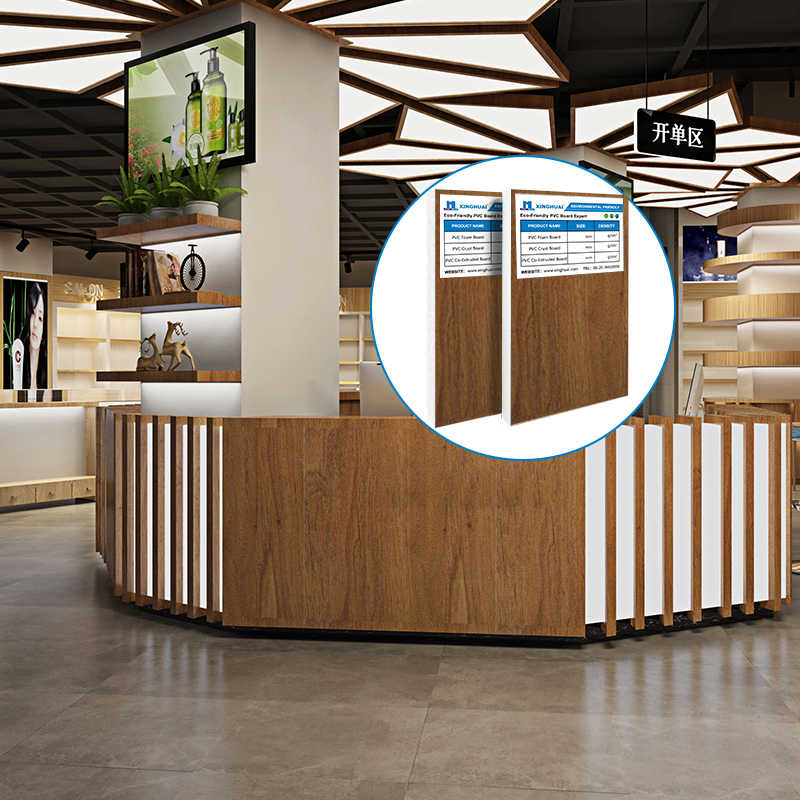
Custom Furniture: Pvc wpc foam board can be printed with wood grain or marble effects for eco-friendly, low-maintenance furniture.
Marine Signage: Waterproof pvc expanded foam board sheets are ideal for boat labels and dock signs.
Conclusion
Screen printing on PVC foam boards—including pvc wpc foam board, pvc expanded foam board sheets, pvc fascia board, pvc co extruded foam board, and expanded pvc foam board—is not only feasible but also offers exceptional durability, cost-effectiveness, and versatility. By selecting the right board variant, preparing the surface properly, and using high-quality inks, businesses and hobbyists can achieve professional results for a wide range of applications. Whether creating outdoor signage, custom furniture, or construction trim, PVC foam boards provide a reliable canvas for vibrant, long-lasting screen-printed designs pvc expanded foam board sheets.
