



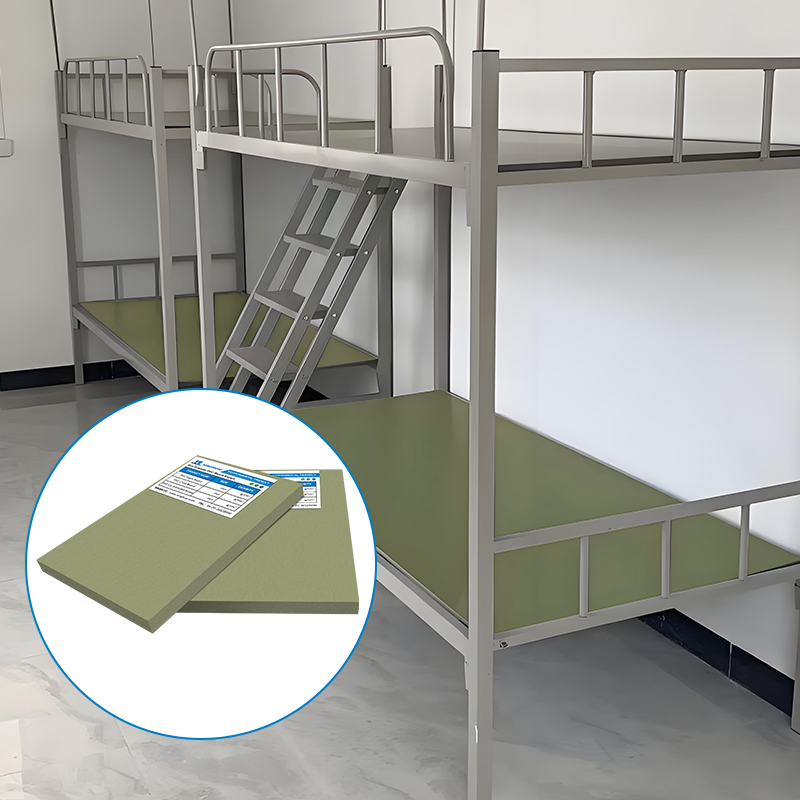
When working with versatile materials like PVC foam or PVC sheet foam board, craftspeople, DIY enthusiasts, and professionals alike often face a critical question: Do the edges of these materials remain smooth after cutting, or do they demand additional finishing steps such as sanding? The answer hinges on multiple factors, including the specific type of PVC board sheets or PVC foam core material being utilized, the cutting method employed, and the intended application of the finished product. Understanding these variables can help users optimize their workflow and achieve high-quality results without unnecessary effort.
Edge Quality Across Different PVC Foam Types
PVC foam is available in a range of densities and formulations, each designed for distinct purposes. For instance, standard PVC sheet foam board—commonly used in signage, displays, and lightweight structural applications—typically features a closed-cell structure that resists moisture and warping. When cut with sharp, precision tools such as circular saws, jigsaws, or CNC routers, its edges often remain relatively smooth, with minimal visible imperfections. However, factors like blade quality, cutting speed, and feed rate can influence the outcome. A dull blade or excessive heat generated during cutting may cause slight melting or roughness, necessitating light sanding to achieve a polished finish.
In contrast, PVC foam core material—often used in marine applications, aerospace components, or high-strength composites—tends to be denser and more rigid. This enhanced structural integrity generally results in cleaner cuts with fewer defects, reducing the need for secondary sanding. The material’s resistance to chipping or fraying during processing makes it ideal for projects where edge quality is paramount, such as model making or architectural mockups. Nevertheless, even high-density PVC foam can benefit from a quick pass with fine-grit sandpaper if the edges appear uneven or require a matte texture for painting or bonding.
Cutting Methods and Their Impact on Edge Smoothness
The choice of cutting tool plays a pivotal role in determining whether sanding is necessary. Mechanical methods like sawing or routing are popular for their speed and precision but can generate heat that affects edge quality. For example, a high-speed circular saw might leave slightly melted or rough edges on thinner PVC board sheets, whereas a slower, controlled cut with a fine-toothed blade can minimize such issues. Similarly, laser cutting—a contactless method—produces exceptionally clean edges on PVC foam, often eliminating the need for sanding altogether. However, laser-cut edges may have a slightly glossy finish, which some users prefer to dull with light abrasion for aesthetic or functional reasons.
Manual tools like utility knives or hand saws are another option, particularly for thinner PVC sheet foam board. While these methods offer portability and simplicity, they are more prone to creating jagged or uneven edges, pvc foam core material especially if the user lacks experience. In such cases, sanding becomes almost unavoidable to achieve a usable surface pvc foam core material.
When to Sand (and When to Skip It)
The decision to sand cut edges ultimately depends on the project’s requirements. For applications where appearance is secondary—such as temporary displays or protective packaging—uncut edges may suffice, saving time and effort. However, for visible or functional components, such as furniture, decorative panels, or prototypes, a smooth edge enhances both aesthetics and durability. Sanding also improves adhesion when painting, laminating, pvc foam core material or bonding PVC foam to other materials, as rough surfaces provide better mechanical grip pvc foam core material.
A practical approach is to test a small sample of the material before committing to a full project. Cut a scrap piece using the same tool and settings, then inspect the edge under good lighting. If minor roughness or melting is present, a light sanding with 220- to 400-grit sandpaper will typically suffice. For denser PVC foam core material, a quick buff with a sanding block may be all that’s needed, while thinner sheets might require more careful attention to avoid over-thinning the material.
Conclusion
In summary, the smoothness of cut edges on PVC foam products varies based on material density,pvc foam core material cutting method, pvc foam core material and tool quality. While many PVC sheet foam board and PVC foam core material variants can be used as-cut for certain applications, evaluating edge quality through testing is crucial to determining whether secondary sanding is necessary. By selecting the right tools, adjusting cutting parameters, and understanding the material’s properties, users can strike a balance between efficiency and precision, ensuring their projects meet both functional and aesthetic standards.
